
Contact lenses are corrective, synthetic lenses that are placed over the cornea of the eye. Contact lenses adjust incoming light and focus it correctly on the retina to correct vision deficiencies.
In the process of normal vision, light reflected from objects in the environment passes through the lens of the eye, where it is refracted into a concentrated beam that is projected onto the retina. This projected image is then transferred to the brain through the optic nerve. In people with vision problems, imperfections of the eye cause light passing through lens to improperly focus away from the normal focal point on the retina. The result is blurred vision.
Contact lenses are designed to bend light entering the eye and refocus it on the retina. For patients with myopia, a contact lens can be placed on top of the cornea of the eye to correct nearsightedness.
©2026 Medmovie.com. All rights reserved. Medmovie.com creates and licenses medical illustrations and animations for educational use. Our goal is to increase your understanding of medical terminology and help communication between patients, caregiver and healthcare professionals. The content in the Media Library is for your information and education purposes only. The Media Library is not a substitute for professional medical advice, diagnosis or treatment for specific medical conditions.
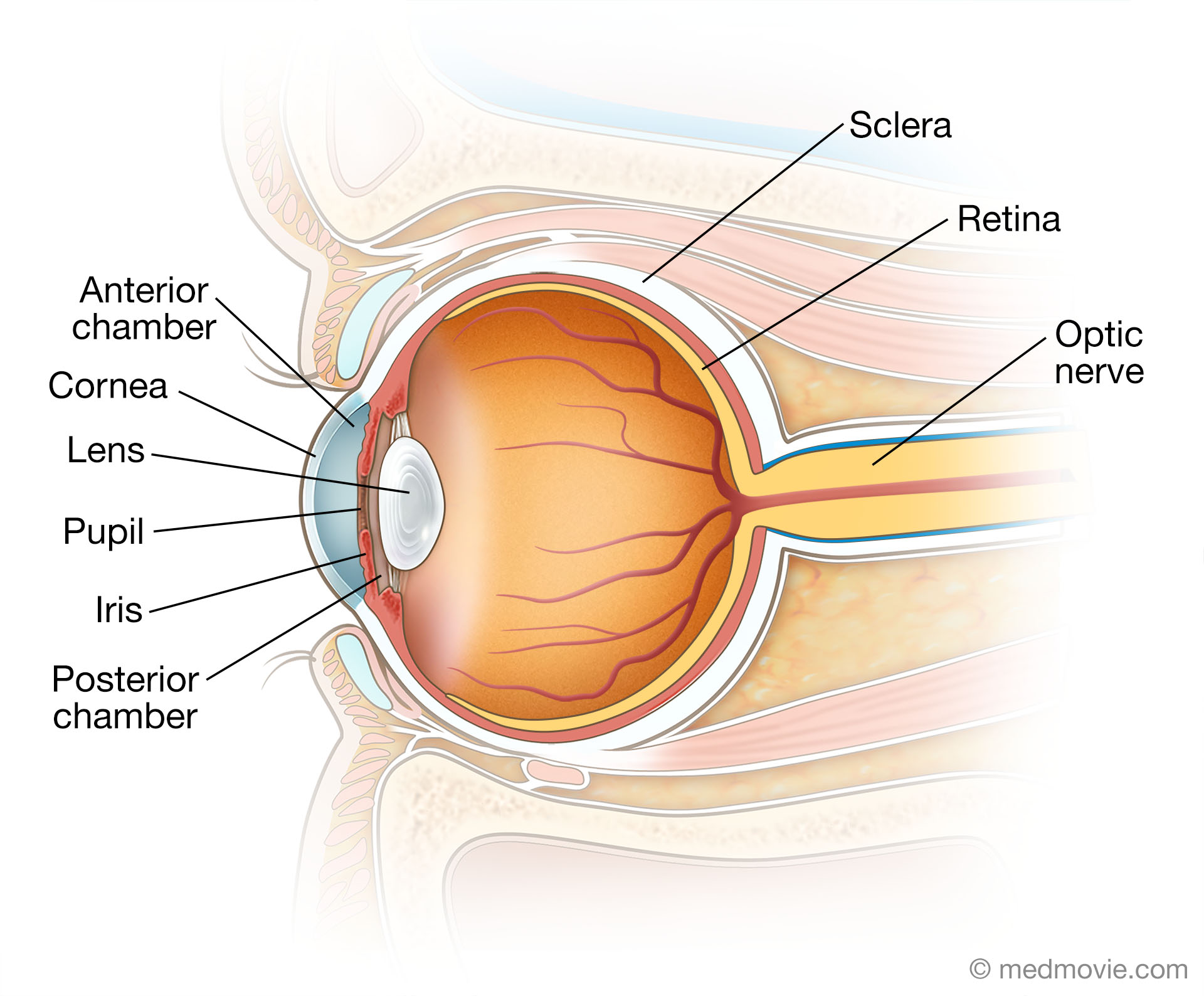 Anatomy of the EyeThe eyeball is the organ of sight in human beings. An opaque, tough, protective layer referred to as the sclera, or…
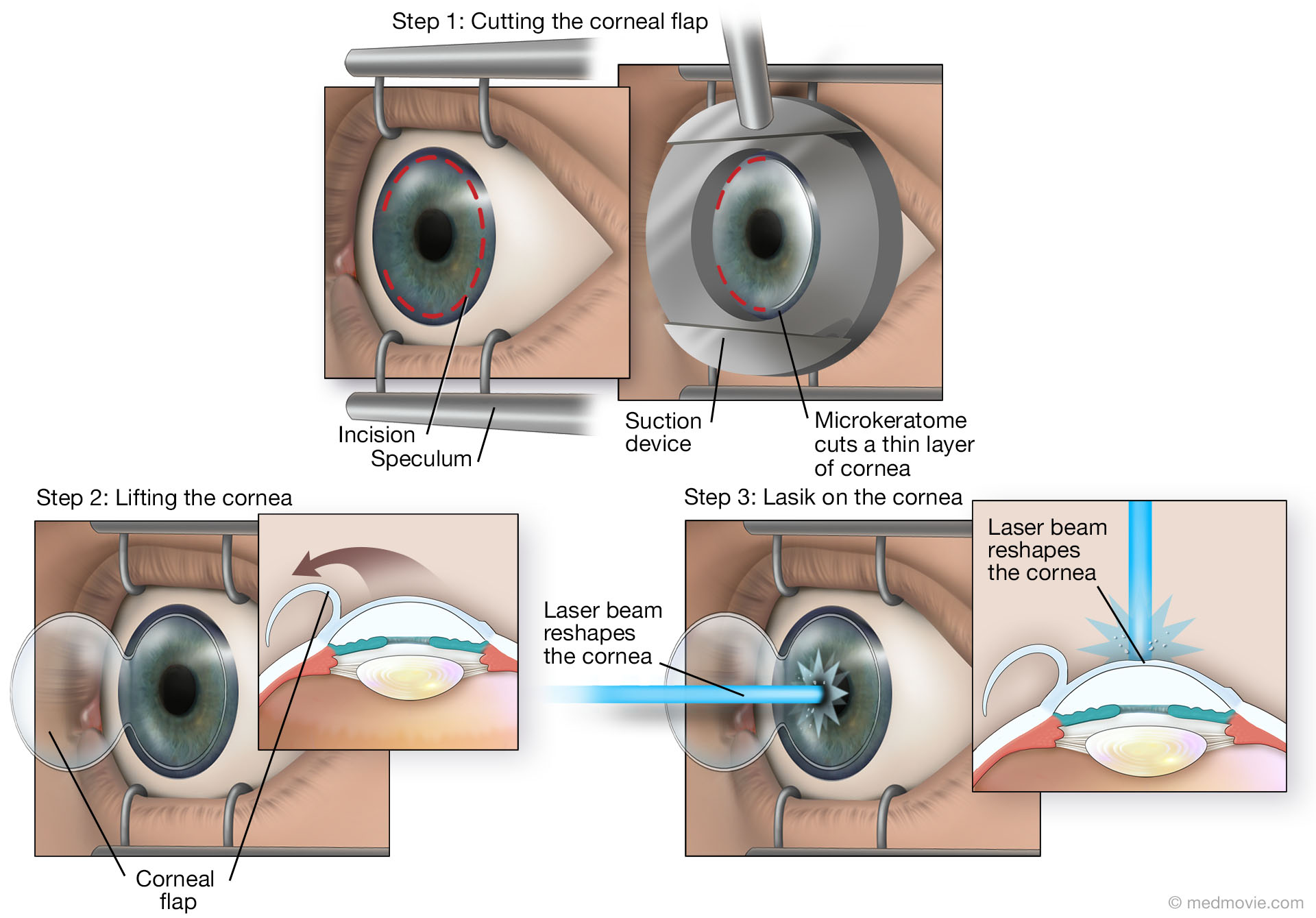 LASIKLaser-Assisted in situ Keratomileusis, or LASIK, is a type of laser eye surgery that is used to correct such vision…
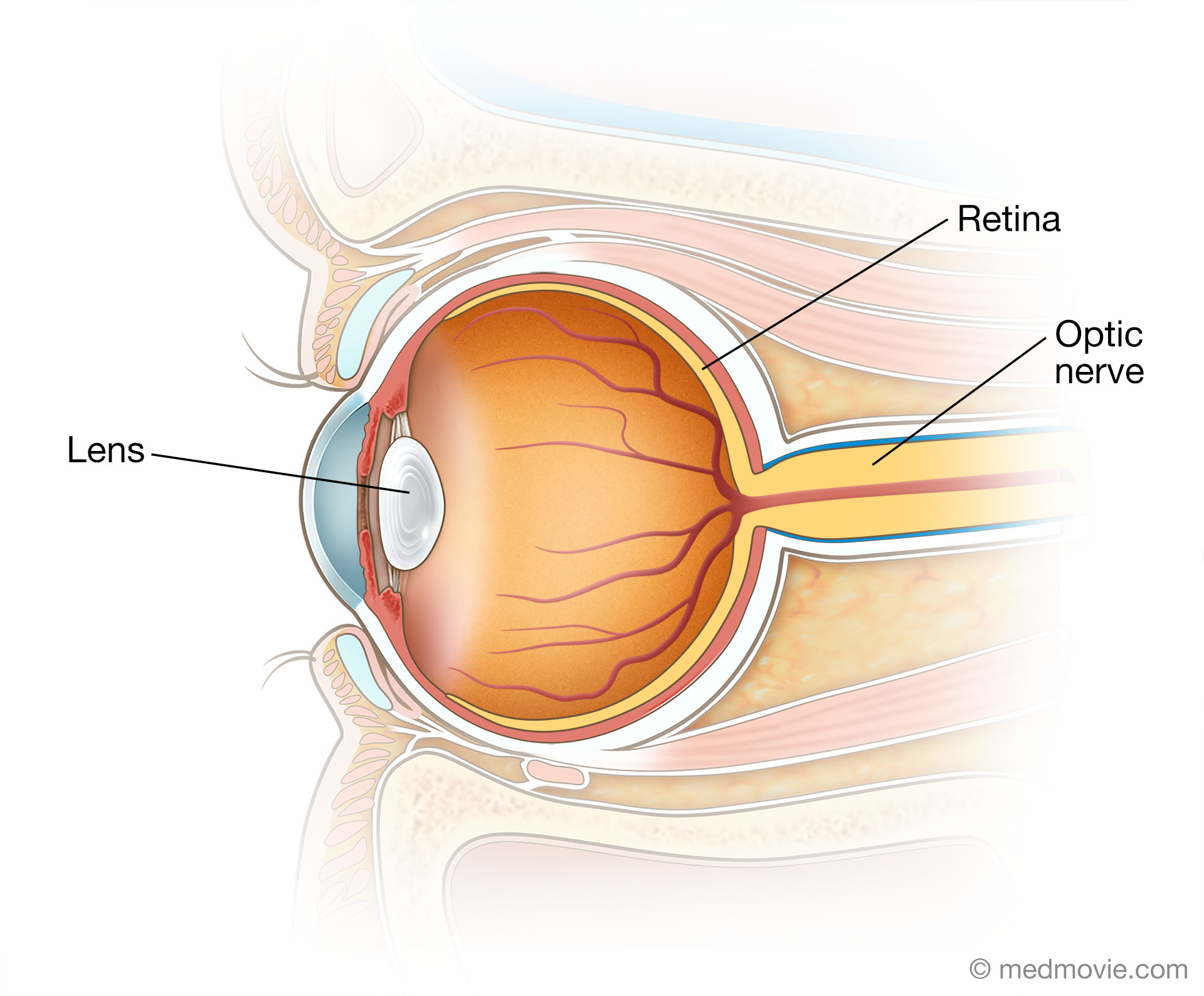 RetinaThe retina is the light sensitive inner layer of the eye. It receives light that passes through the cornea, pupil and…Anatomy of the EyeThe eyeball is the organ of sight in human beings. An opaque, tough, protective layer referred to as the sclera, or…LASIKLaser-Assisted in situ Keratomileusis, or LASIK, is a type of laser eye surgery that is used to correct such vision…RetinaThe retina is the light sensitive inner layer of the eye. It receives light that passes through the cornea, pupil and…